Hello, World
Kicking off the blog with a quick note on what to expect here.
Embedded systems engineer
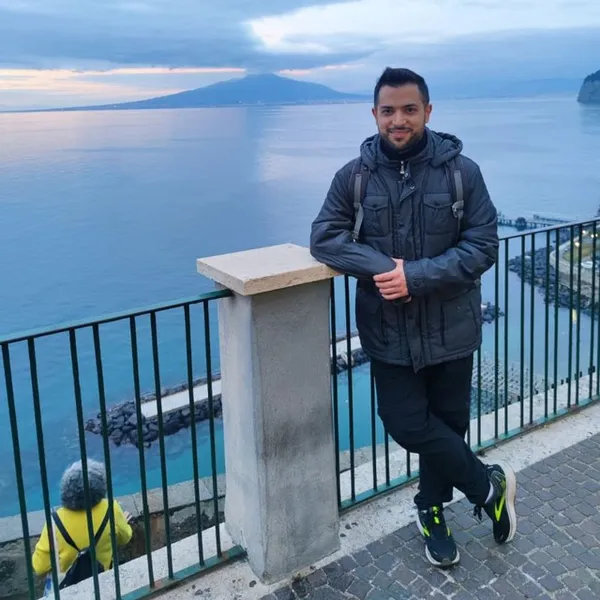
I am an embedded systems engineer specialized in firmware development, currently pursuing a Ph.D. at the University of Stavanger. I have extensive experience in designing efficient and reliable firmware solutions for embedded systems. My expertise lies primarily in C programming, with a focus on performance optimization and hardware compatibility. I am also proficient in customizing embedded Linux distributions using the Yocto Project. Beyond firmware, I have a passion for electronics, particularly digital electronics, and low-level development. I'm always seeking to expand my knowledge and refine my skills in these areas.
I hold a master's degree in Computer Science and Engineering from the University of Verona. Following my degree, I worked as a firmware engineer at EDALab S.r.L., where I developed firmware for a range of embedded systems, including IoT devices, industrial automation, and automotive applications. While I enjoyed my work at EDALab, after four years, I sought to deepen my knowledge and was fortunate to begin my Ph.D. research at the University of Stavanger. My research focuses on applying AI in Active and Assisted Living (AAL) systems, with a particular emphasis on developing solutions to predict symptoms of Parkinson's disease, such as Freezing of Gait (FoG).
Outside of work, my hobbies include basic woodworking, particularly furniture repair, and 3D printing. I also enjoy troubleshooting and repairing home appliances, desktop workstations, laptops, and smartphones.
Kicking off the blog with a quick note on what to expect here.

Currently a Ph.D. student at University of Stavanger, performing research on the usage of AI for Active and Assisted Living (AAL) systems.

Full time job as a firmware developer at EDALab S.r.L..
Obtained master degree of Computer Science and Engineering at University of Verona, with Embedded Systems specialization.
Obtained a bachelor degree in computer science at University of Verona.
DATE 2026
IEEE Access